
Fault symptoms
Starter Clicking, Grinding or Slow Cranking: What Each Symptom Means
Use sound and cranking behavior to narrow the next inspection without replacing parts by guesswork.
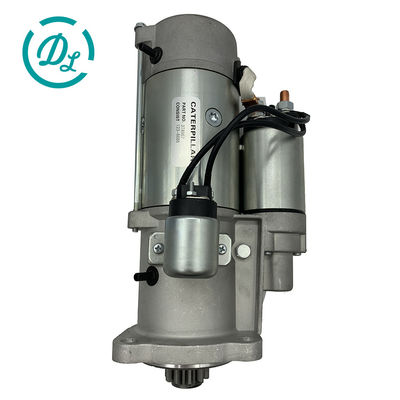
Rapid clicking and a single click are different
Rapid repeated clicking commonly occurs when the solenoid engages, system voltage falls and the solenoid releases. Begin with the battery, cable connections and grounds. A single strong click means the control request reached the solenoid, but the high-current path, motor or engine may still be unable to turn.
Grinding or free-spinning needs mechanical inspection
Grinding can indicate incorrect engagement, worn pinion teeth, ring-gear damage or an installation mismatch. A whirring starter that does not rotate the engine can indicate a drive that is not engaging. Stop the attempt and inspect rather than repeatedly forcing the components together.
Slow cranking is a system measurement problem
Slow cranking may come from weak batteries, excessive cable resistance, poor grounds, cold oil, an engine mechanical load or an internally worn starter. Measure voltage drop under load on both positive and ground sides before condemning the motor. When requesting a replacement, provide voltage, power rating and engine model as well as the OEM number.